Biohazard Cleanup
Blood, sewage, sharps and other biohazards removed and disinfected by cleanup crews in protective gear.
Learn more →Michigan · Wayne County
Has a crime, an accident or an unattended death left a mess in Crary / St Marys? Police and paramedics do not clean up afterward, so you need cleaners to remove blood, bodily fluids and contaminated materials. Call (877) 812-4220.
If anyone is in danger, call 911 first. For a suicide crisis, call or text 988.
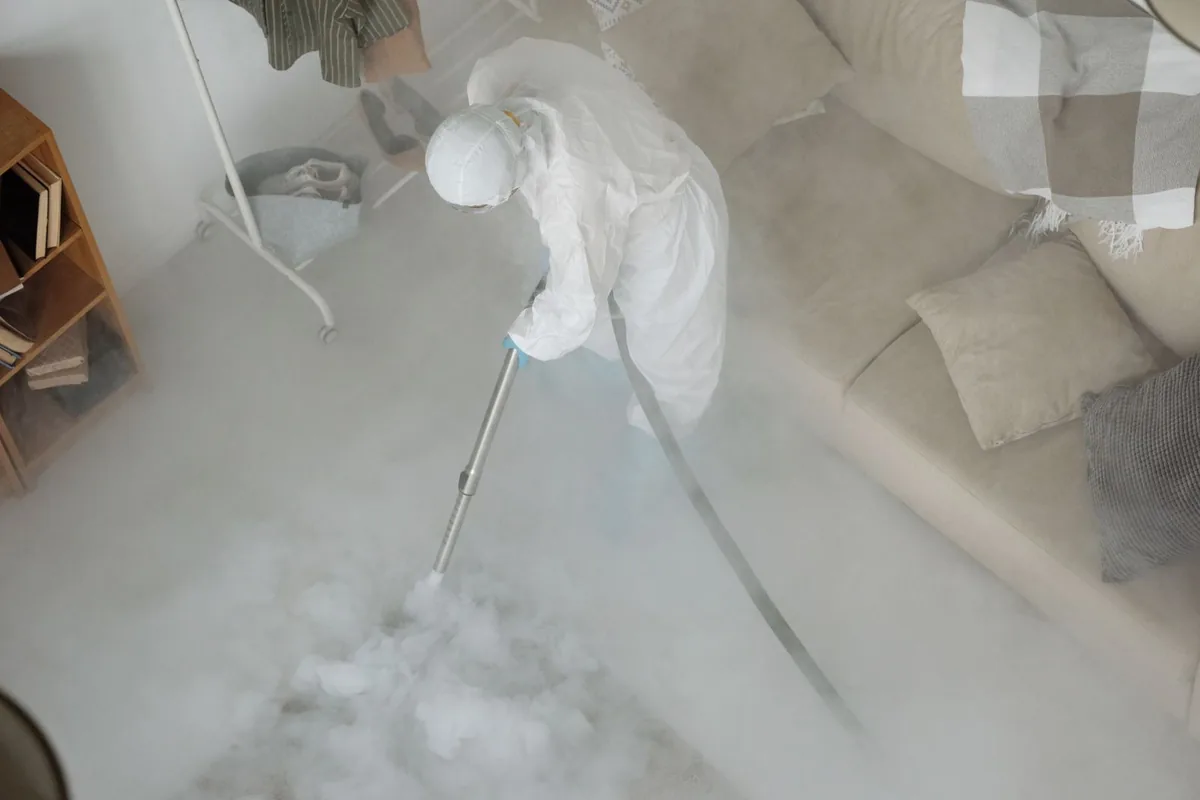
When a death, an assault or a sudden illness leaves blood or bodily fluids behind, ordinary cleaning is not enough. Biohazard cleaning services in Crary / St Marys remove the contamination itself, not just the stain, and you can call Crary / St Marys Biohazard Cleanup Help to get started.
Property owners, family members, landlords, property managers and insurance adjusters can all get help from Crary / St Marys Biohazard Cleanup Help. The cleanup is documented with photos and notes, and coverage reaches Crary / St Marys, Detroit and nearby towns across Wayne County.
About 90% of homes in Detroit were built before 1980, and older carpet, subfloor and wood trim absorb fluids deeply. The vacancy rate in Detroit is 22%, above the Michigan average. Empty houses can sit unchecked, so sewage, animal waste, rodents and damage can build up unseen.
Blood and bodily fluids can carry bloodborne pathogens, even after they dry. That is why biohazard cleaners follow OSHA's Bloodborne Pathogens Standard, 29 CFR 1910.1030, and put on gloves, respirators, boot covers and disposable suits before they enter the affected area.
Products matter because a mild cleaner will not kill bloodborne germs. Biohazard cleaners use EPA-registered, hospital-grade disinfectants, follow the label for contact time and pair them with air treatment for lingering odor.
Below are the cleanup services you can get in Crary / St Marys, grouped by what happened: death and trauma, waste and hoarding, disease and drugs, and property cleanouts.
Blood, sewage, sharps and other biohazards removed and disinfected by cleanup crews in protective gear.
Learn more →Discreet forensic cleaning for homes, rentals, businesses and vehicles, with odor removal and waste disposal.
Learn more →Trauma cleaners remove blood, bodily fluids and odor after injuries, violent events and sudden emergencies.
Learn more →Cleaning, disinfection and odor removal after a death that was not found right away.
Learn more →Gentle, discreet cleaning and disinfection of a home or rental after a death by suicide.
Learn more →Murder scene cleanup for homes, rentals, businesses and vehicles, handled privately with protective gear.
Learn more →Blood removal, disinfection and waste disposal for floors, carpet, walls and furniture after an injury or accident.
Learn more →Bodily fluid clean up with protective gear, EPA-registered disinfectants and sealed disposal of contaminated materials.
Learn more →Human feces removal with protective gear, EPA-registered disinfectants and sealed disposal of contaminated waste.
Learn more →Finds the source of a death odor and removes it, instead of masking it with sprays.
Learn more →Safe pathways, careful sorting and deep cleaning for homes with heavy buildup of belongings.
Learn more →Full-house hoarder cleanout with sorting, haul-away and deep cleaning from the first room to the last.
Learn more →Animal hoarding clean up that restores a home for repairs, a sale or a new tenant.
Learn more →Extreme cleaning for unsanitary homes, done with protective gear and without judgment.
Learn more →Category 3 cleanup with protective gear, sealed disposal and EPA-registered disinfectants.
Learn more →Infectious disease disinfection for homes and businesses, using EPA-registered products matched to the germ.
Learn more →Biohazard remediation that removes soaked materials, treats odor and documents each step of the work.
Learn more →Safe collection of used needles, syringes and contaminated supplies, with proper containers and transport.
Learn more →Used needle removal and property sweeps for yards, rentals, vacant buildings and businesses.
Learn more →Cleanup after police release: items, residue and soiled materials handled without judgment.
Learn more →Testing, removal, cleaning and retesting for properties where meth was made or heavily used.
Learn more →Found unknown powder? A cleanup team contains the area, cleans surfaces and hauls waste safely.
Learn more →Safe removal of solvents, fuels, pesticides, mercury and unlabeled containers from homes and businesses.
Learn more →Cleanup that begins once responders clear the scene, with records for insurers, owners and inspectors.
Learn more →Pepper spray cleanup that lifts oily residue from surfaces without spreading it to clean rooms.
Learn more →Safe wet-clean removal of mouse and rat droppings, nests and soiled insulation from attics and crawl spaces.
Learn more →Pigeon and bird droppings cleanup on ledges, balconies, warehouses and storefronts.
Learn more →Dead animal odor removal that targets the source of the smell, not just the air.
Learn more →Biohazard car cleaning for blood, vomit and body fluids, with disinfection and safe waste disposal.
Learn more →Injury scene cleaners remove soaked materials, treat odor and prepare records for employers and insurers.
Learn more →Discreet after-hours service with unmarked vehicles, sealed work areas and regulated waste hauling.
Learn more →Estate cleanup that empties, cleans and hands back a home ready for its next step.
Learn more →The cleanup team measures how far fluids, waste or residue spread and decides which materials can be saved. This sets the timeline and the cost range.
Doors are closed off, air handling is controlled and the work zone is marked. Family members, pets and neighbors stay clear.
Soaked carpet, padding, upholstery and drywall are cut out and bagged. Hard surfaces, tools and fixtures are cleaned and disinfected in place.
Odor is neutralized, biohazardous waste leaves under medical waste rules, and a final inspection confirms the property is safe to use again.

Contaminated items are sealed, labeled and kept out of household trash, and the waste leaves under medical waste rules.
Calls are answered day and night. Crews arrive in unmarked vehicles and work quietly, so neighbors are not told what happened.
A final inspection, with odor and surface checks where they help, confirms the area is safe before the cleanup is called complete.
Property managers get clear records, quick coordination on access and a cleaned unit ready for repairs and the next tenant.
Biohazard cleanup in Crary / St Marys, Detroit, MI typically costs $500 to $25,000, depending on the type of biohazard, the size of the affected area and how far fluids soaked into porous materials.
Most residential jobs cost $3,000 to $5,000 (Fixr). Extra services such as odor treatment, content cleaning, hauling out damaged furniture and testing add to the total. Ask which of them the job really needs so the quote matches the situation.
| Type of job | Typical range |
|---|---|
| Blood spill cleanup, small area | $500 - $2,500 |
| Crime scene cleanup, most homes | $1,500 - $7,500 |
| Unattended death cleanup | $2,000 - $7,000 |
| Suicide cleanup | $1,500 - $5,500 |
| Sewage cleanup, most homes | $2,000 - $10,000 |
| Hoarding cleanup, level 3 home | $2,000 - $5,000 |
| Meth lab cleanup, typical | $15,000 - $20,000 |
Estimates only, not a quote. Sources: Fixr, Yelp Costs, BioCleaners Directory, PushLeads, Dropcurb, Bob Vila and cleanup company cost guides. Call (877) 812-4220 to talk through the job.
Try the Crary / St Marys Biohazard Cleanup Cost Calculator →
About 40% is the census figure for older adults living alone in Detroit. When a person dies alone, days may pass before anyone knows, and unattended death cleanup follows.
Homes, churches and businesses may need infectious disease disinfection, needle and sharps cleanup, or meth lab and fentanyl decontamination after a property is released.
With a vacancy rate of 22% in Detroit, empty buildings can collect animal waste, drug paraphernalia and storm damage that nobody sees until later.
Failing septic systems and sewer backups push raw sewage, a Category 3 biohazard, into homes. Sewage cleanup removes contaminated materials and disinfects every surface.
Falls, power tool injuries, farm and industrial accidents and car crashes can leave blood and tissue behind. Accident scene cleanup removes the trace so the space can be used again.
Attics, barns and sheds can hold droppings, guano and carcasses that carry disease. Careful removal and disinfection protect the people who go back in.
Knowing the basic types and job sizes makes the first phone call easier. Describe what happened and where, and a cleanup specialist can tell you which category the job likely falls into.
Safe cleaning means PPE, containment, removal of porous materials, cleaning, EPA-registered disinfectant for the full contact time, and sealed disposal of the waste. A small household spill is a different matter than a death or crime scene, and anything larger than a few drops should be left to a crew.
Symptoms such as stomach pain, vomiting and diarrhea can begin within a few hours to a few days after contact with raw sewage, depending on the germ. Sewage is a Category 3 biohazard, so it should be cleaned by a crew wearing protective gear, and anyone with symptoms should see a doctor.
Often, yes. Many homeowners and renters insurance policies cover biohazard cleaning after a sudden event such as a death, crime or accident, after the deductible. Hoarding and gradual damage are often excluded. The cleanup work is documented with photos and notes for the insurance company.
Yes. Hoarding cleanup sorts belongings room by room, sets aside valuables and papers, removes trash and waste, and disinfects the space. Crews work without judgment and keep the family's wishes in mind.
Respirators, gloves, face protection, boot covers and disposable suits make up the usual personal protective equipment (PPE). It is put on before entering the work area and disposed of as contaminated waste afterwards.
Biohazard cleaning is the safe removal of infectious or contaminated material and the disinfection of whatever it touched. Crews wear protective equipment, remove porous materials that cannot be made safe, and dispose of the waste under medical waste rules. It goes far beyond ordinary housecleaning.
The census figure for older adults living alone in Detroit is 40%, above the Michigan average. When someone lives alone, a death can go unnoticed for days, and that leads to unattended death cleanup.
They can. About 90% of homes in Detroit were built before 1980, and older carpet, subfloor and trim absorb fluids deeply. The crew inspects each home to see how far the contamination went.
The service area reaches from Crary / St Marys to Detroit, Hubbell-Puritan and North Rosedale Park. Whichever town the property is in, the process and the protective standards stay the same.
Describe what happened, and the cleanup team will explain the next steps.
Call (877) 812-4220